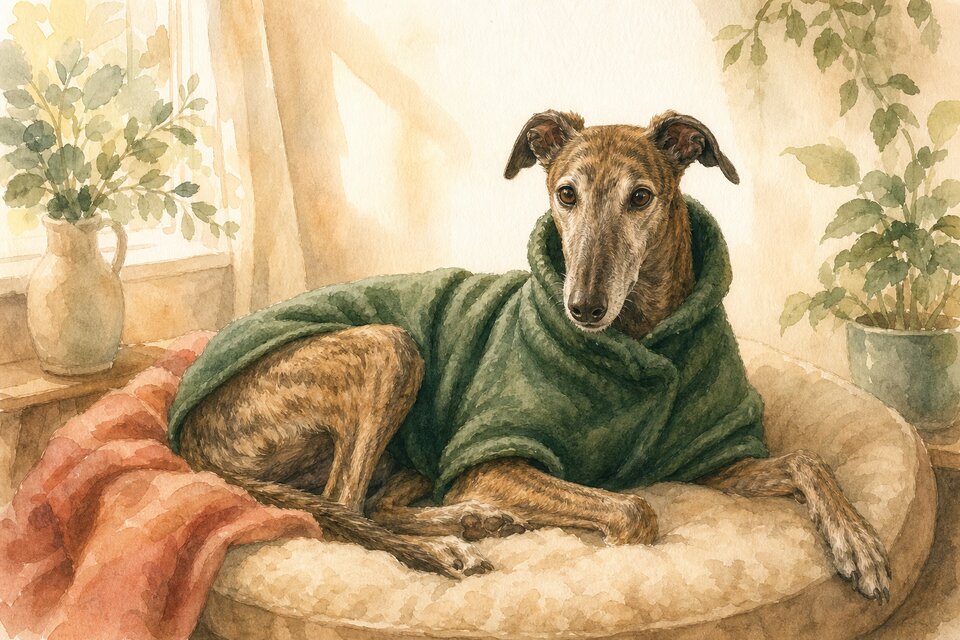
Adult Greyhound: warmth, soft bedding and low-pressure routines support comfortable settling.
29 chapters · English / 中文
Adult Greyhound: warmth, soft bedding and low-pressure routines support comfortable settling.
Breed profile
Training group
Sighthounds
Origin
An ancient sighthound developed for visual pursuit; in Australia, many Greyhounds enter homes through retired racing-dog adoption.
Shoulder height
68–76 cm
Weight
25–40 kg
Coat
Extremely short coat with low body fat
Coat care
Build calm consent for gentle coat, body, paw and nail checks. Provide soft bedding and introduce any cold-weather clothing through voluntary, low-pressure handling.
Drive keywords
Visual lock-on · High-speed pursuit · Short-burst movement
Handling practice
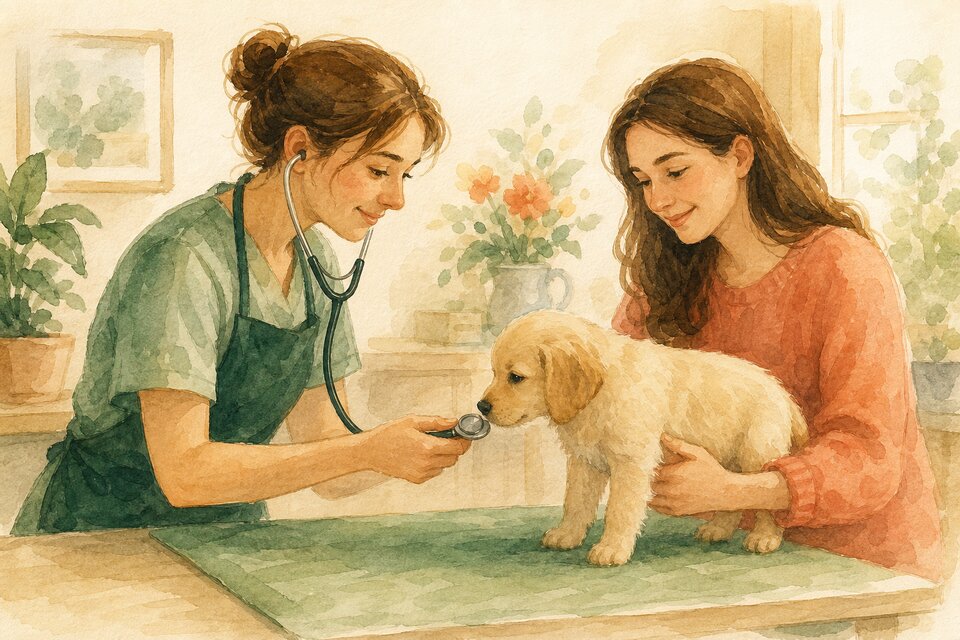
Use gentle, low-pressure whole-body, coat, paw and nail handling: one brief touch, marker, reward and release before avoidance begins. · For a newly adopted adult, generalise handling separately across the actual home, vehicle and care settings; familiarity in one setting does not prove familiarity in another.
General reference range only; individual dogs vary considerably.
28
Early help protects the dog and the family
When to call a professional
Professional help is not a last resort. It is the correct next step whenever safety, health or a dog’s ability to recover is in doubt.
Sudden change, pain, illness or recovery concerns go to a veterinarian before being treated as training alone.
Who to call, in this order
Veterinarian · first stopRule out pain, illness, sensory changes and other medical contributors before treating a behaviour as “training only.”
Qualified positive-reinforcement trainerLook for positive-reinforcement credentials and professional commitments such as Delta Institute (Delta Society Australia) certification or Pet Professional Guild Australia (PPGA) membership.
Veterinary behaviour specialistFor anxiety, fear, compulsive behaviour or aggression, ask your veterinarian for referral to a veterinary behaviourist who can combine behaviour care with medical assessment when appropriate.
Perth general resources
Use the aftercare contact page—no stale phone numbers here
The FluffyWA aftercare page points to Perth 24-hour emergency hospitals, RSPCA WA, Dogs’ Refuge Home and local council dog-management resources. Check the current details before travelling.