
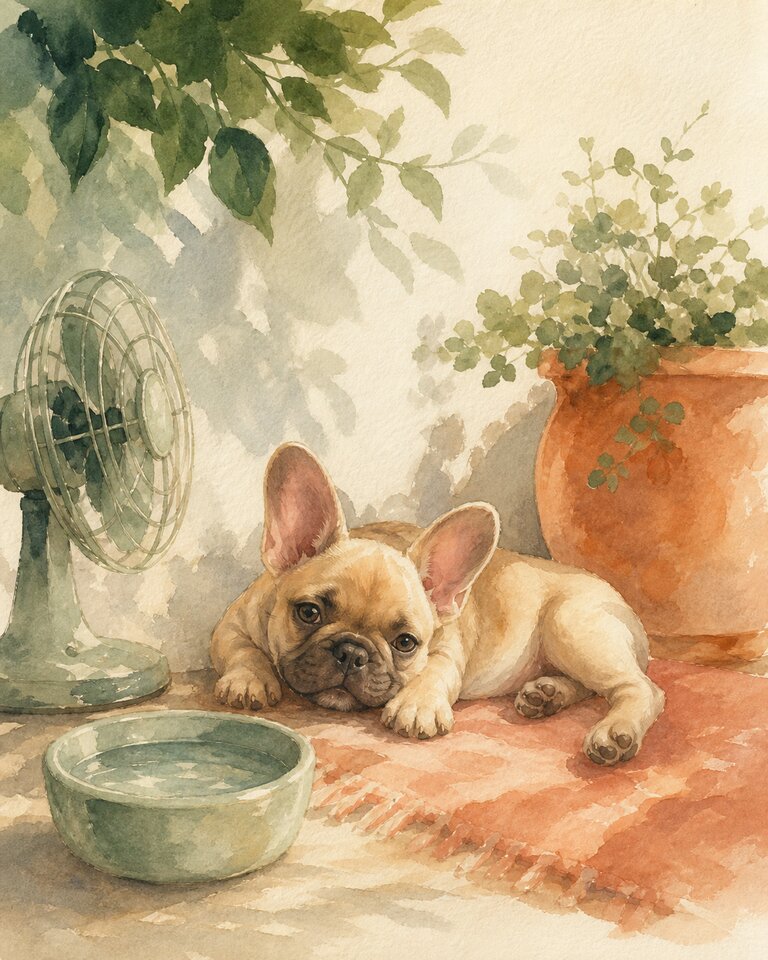
For a puppy, use actual age and emotional state, not the calendar alone. Tick a row only after a calm pass; if sleep, toileting or confidence slips, return to the easier stage.
| This week’s focus | Training skills | Socialisation task | Enrichment & rest | Progress check |
|---|---|---|---|---|
| 8 weeks Build rhythm: toileting, crate and name. | Charge the marker; reward name response and happy crate entry. | Keep exposure at home with calm people, household surfaces and choice. Follow the first fear-period red lines. | Schedule at least two protected naps, food searches and a safe chew; protect 18–20 hours of daily sleep. | |
| 9 weeks Make the marker reliable and keep the routine predictable. | Begin Sit and Down in one- to three-minute sessions. | Pair household sounds with food; begin with the vacuum cleaner switched off, then operating far away. | Use one brief group-appropriate outlet from Chapter 18 that fits the puppy's current developmental stage; begin on a cue and stop while the puppy remains responsive. Any adulthood-only or professionally guided item stays in the future plan. | |
| 10 weeks Add tiny pauses without adding pressure. | Begin Wait at the food bowl and doorway; start alone time at one minute or less. | Watch the street from a secure carrier or from the car for five minutes at an eating distance. | Use a short scatter feed after watching movement, then return home for sleep. | |
| 11 weeks Finish the fear-period window with choice and recovery. | Begin Go to mat by marking an approach, then one paw and four paws. | Meet one fully vaccinated, temperamentally stable dog at a friend’s clean home; allow either puppy to leave. | Follow the meeting with chewing, quiet decompression and a nap; review any fear response and recovery time. | |
| 12 weeks Move foundation skills toward the front door. | Begin Leave it; progress lead practice from indoors to the doorway. | Join a reward-based puppy class only when the veterinarian’s vaccination and local-risk requirements are met. | Review the frequency and context of hard mouthing, schedule naps and provide safe teething items. | |
| 13 weeks Teach safe exchange and begin controlled distance. | Begin Drop by trading and returning safe objects; start recall on a long line. | Add different surfaces and moving objects at an eating distance, one new variable at a time. | Use a food puzzle or frozen filled toy after training and protect recovery sleep. | |
| 14 weeks Generalise instead of making one location harder. | Re-teach one known cue in the living room, yard and a friend’s home; return to easy criteria each time. | Take one secured five-minute car ride that ends somewhere calm and pleasant. | If toileting regresses, restore the earlier outing frequency instead of adding freedom. | |
| 15 weeks Add one distraction while keeping the other two Ds easy. | Add a mild distraction to one known cue; practise Settle for ten minutes. | Make a veterinary-clinic happy visit for treats only, with no examination or forced handling. | Use sniffing before Settle, reward slower breathing and finish with uninterrupted sleep. | |
| 16 weeks Audit the foundation and plan the next stage. | Review all eight core cues at easy criteria and note which need re-teaching. | Audit the socialisation checklist for quality, recovery and missing categories rather than chasing a total. | Prepare the four- to six-month teething plan and the adolescence plan before routines change. | |
| Breed supplement · 8 weeks | Choose the cool indoor training area and begin only short, low-intensity sessions. | |||
| Breed supplement · 12 weeks | Use one indoor sniffing or problem-solving outlet and stop while breathing remains steady. | |||
| Breed supplement · 15 weeks | Review voluntary handling around the mouth, nose and facial folds at an easy step. | |||
After 16 weeks
Increase legal chewing, protect sleep, manage furniture access and expect mouthing to fluctuate without abandoning the training plan.
Expect temporary “deafness,” reduce criteria in new places and respond to sudden caution with distance and choice rather than pressure.
Read the breed and group rule first. If it requires lifelong long-line use or prohibits off-lead access outside secure fencing, there is no line-removal test stage. Other dogs still keep physical management around real distractions; any change depends on demonstrated reliability, Chapter 17 group guidance and local rules, and belongs only in a legal setting.
Continue puppy or adolescent classes that group appropriately, teach the handler, manage play and use no punishment tools.
Use brief, low-impact rounds in genuinely cool conditions. Breathing, body language and recovery always override a time target; stop at the first abnormal sign and follow Chapters 20, 23 and 28.